Nature is imperfect. That is part of what makes it so beautiful. It is wild, messy, and not neatly organised. That is what makes it so alive. There is a quiet kind of magic in this wilderness, yet many of us are slowly becoming less familiar with it.
Today, many of the landscapes we move through, from school grounds to neighbourhood parks, are expected to be tidy and well arranged. Managed green spaces are closely trimmed. Shrubs are shaped into neat, uniform borders. Roadside trees are often heavily pruned to avoid power lines. Across many fast-growing cities in Southeast Asia, nature is still present but deeply contained, and it does not quite feel alive. This neatness comes at a cost.
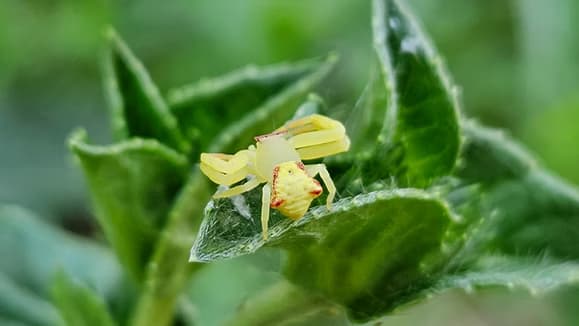
This is the picture
When vegetation is repeatedly cut back, and spaces are managed mainly for order and efficiency, diversity quietly thins out. With fewer layers of plants, there are fewer places for insects, birds, and small creatures to thrive. Over time, landscapes may still look green, but they function less like living ecosystems. And simpler environments are often more vulnerable to heat, drought, and flooding.
In tropical Southeast Asia, one of the most biodiverse regions on Earth, this matters deeply. Our climate naturally supports a rich web of plants, pollinators, fungi, and wildlife. Yet rapid urbanisation, expanding infrastructure, and the preference for easily managed planting have steadily reduced everyday biodiversity in many of the places where people live, learn, and grow.